
Preventative Care for Dogs
Regular preventative care is the single most effective thing you can do to keep your dog healthy throughout their life. At Perry Pet, our canine wellness services cover every life stage — from your puppy's first visit through their senior years. Early and consistent care helps us catch problems before they become serious and builds a health history that makes it easier to spot changes over time.

Wellness Exams
We recommend an annual wellness exam for healthy adult dogs and more frequent visits for puppies and senior dogs. During a wellness exam, your veterinarian will perform a full physical evaluation covering eyes, ears, teeth and gums, coat and skin, weight, and joint health. It is also an opportunity to review your dog's vaccination status, discuss parasite prevention, and flag any changes in behavior or appetite that may warrant further attention.
How Often Should My Dog Be Seen?

Puppies
Up to one year old. Visits every 3 to 4 weeks until the initial vaccine series is complete, then annually.
Adult Dogs
Ages 1 to 7. Annual wellness exam recommended.
Senior Dogs
Age 7 and older. Bi-annual exams recommended to monitor for age-related changes.
Vaccinations
Vaccines protect your dog from serious and potentially fatal diseases. We follow a schedule that meets New York State requirements and accounts for your dog's age, lifestyle, and risk of exposure. Core vaccines are recommended for all dogs; additional vaccines may be recommended based on your dog's environment and activities.
What Do These Vaccines Cover?
-
Also known as the “Kennel Cough” vaccine. Protects against Bordetella bronchiseptica, a highly contagious bacteria that is spread between dogs. This vaccine is highly recommended for any dog that may be visiting boarding or grooming facilities, dog parks, training classes or other social areas.
-
Commonly called the "distemper shot," this combination vaccine protects against four diseases: Distemper (affects the entire body), Adenovirus/Hepatitis (attacks the liver and respiratory system), Parainfluenza (a respiratory disease and one cause of kennel cough), and Parvovirus (a potentially fatal digestive disease).
-
A bacteria that is mainly transmitted through wildlife and water. This bacteria causes liver and kidney failure and can be spread to humans.
-
A bacteria that is transmitted through the Black-legged (Deer) Tick when feeding on pets. Lyme disease is endemic to western New York
-
A fatal viral disease that attacks the nervous system. Vaccination is required by law in New York State and is needed to license your dog.
Parasite Prevention
Parasites are a year-round concern for dogs in New York, particularly in rural and wooded areas. Prevention is far easier and less expensive than treatment, and some parasites can also be transmitted to people.
Fleas and Ticks
Fleas are acquired from the environment and can cause skin irritation and allergic reactions. Ticks are common in wooded and grassy areas throughout the spring and summer and can transmit Lyme disease, Rocky Mountain spotted fever, and other infectious diseases. We can recommend appropriate preventive products based on your dog's lifestyle.
Intestinal Parasites
Intestinal parasites can cause diarrhea, poor coat condition, and weight loss, and some can be transmitted to people, particularly children. Annual fecal testing allows us to detect and treat parasites early.

Dental Care
Dental disease is one of the most common health conditions in dogs, yet it is largely preventable. Bacteria and plaque build up on teeth over time, leading to bad breath, inflamed gums, loose or damaged teeth, and in serious cases, infection that can affect the heart, liver, and kidneys.
Professional dental cleanings performed by your veterinarian use an ultrasonic scaler to clean above and below the gumline in a way that home brushing cannot replicate. We recommend starting home brushing routines early, ideally when your dog is still a puppy, and scheduling professional cleanings as advised by your veterinarian.

Nutrition and Weight Management
Obesity is the most common nutritional disorder in dogs and a significant risk factor for diabetes, joint disease, heart problems, and complications during anesthesia. Maintaining a healthy weight throughout your dog's life is one of the most impactful things you can do for their long-term health.
What and how much to feed your dog depends on their age, size, and lifestyle. During your dog's wellness exam, we can evaluate their body condition and provide feeding guidance specific to their needs. If your dog is already overweight, we can help develop a weight loss plan.
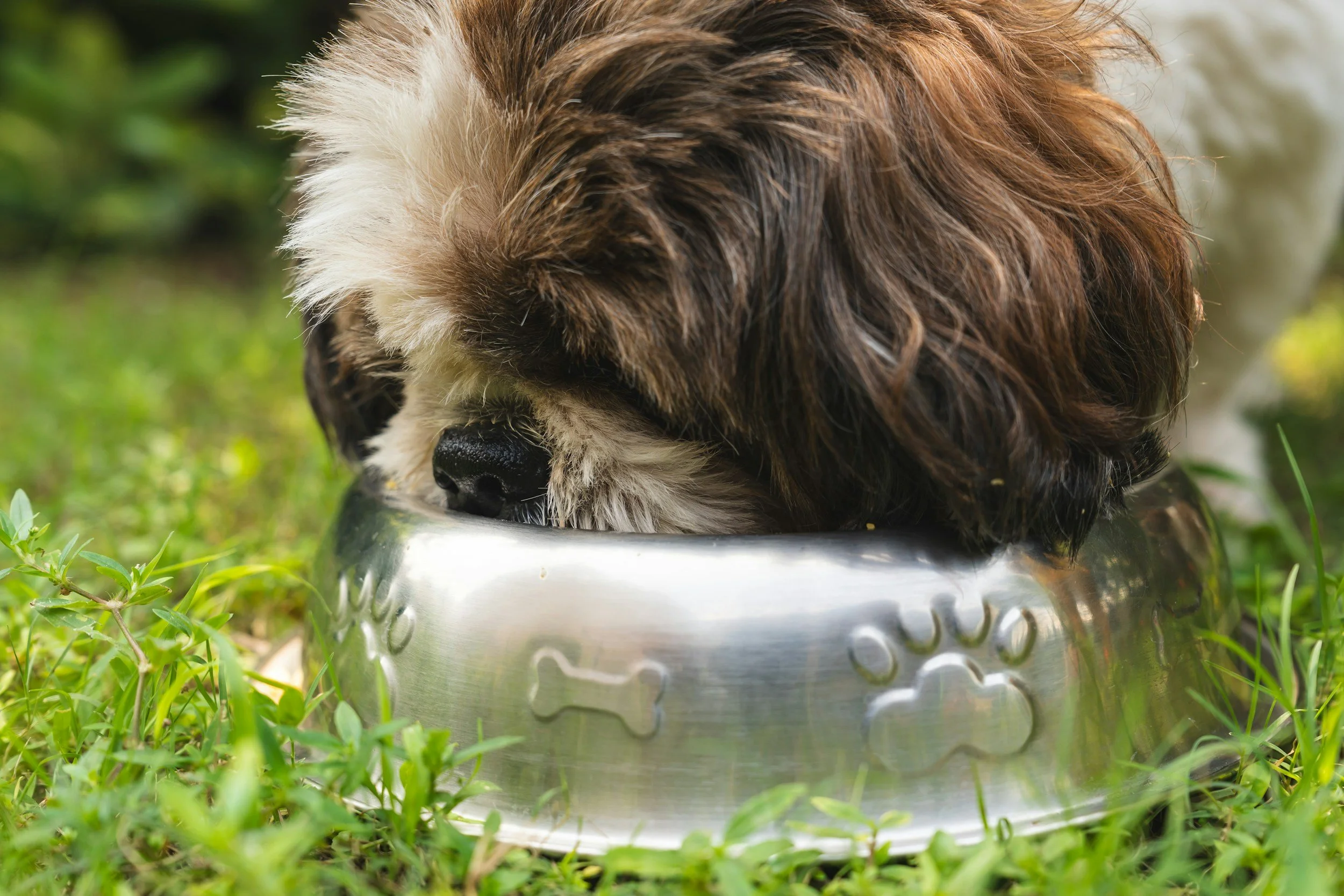
For detailed nutrition guidance by life stage, including puppies, adults, and seniors, visit our Pet Owner Resources section.
Behavioral Health
Changes in behavior can sometimes indicate an underlying health issue. A dog that suddenly shows aggression, confusion, or unusual elimination habits may be experiencing pain, cognitive changes, or an infection rather than a purely behavioral problem. If you have noticed a change in your dog's behavior or temperament, mention it at your next visit — our team can help determine whether there is a medical cause.

For guidance on training, socialization, and common puppy behaviors, visit our Pet Owner Resources section.
New Pet? Start Here.
Bringing home a new puppy is exciting, and it comes with a lot of questions. Our Pet Owner Resources section includes new pet guides, nutrition information by life stage, and species-specific care tips to help you get started on the right foot.
Ready to Schedule?
Our team is accepting new canine patients at all of our locations. Whether you have a new puppy or a senior dog due for a checkup, we are here to help.