
Pocket Pet Care
Pocket pets, including guinea pigs, hamsters, rats, mice, rabbits, and ferrets, make wonderful companions and are generally easy to care for. Our veterinarians stay up to date on the unique needs of pocket pets to provide quality medicine to even our smallest patients. We see pocket pets at all of our locations and can address concerns related to diet, housing, common health issues, and medical emergencies.

What to Expect
Most pocket pet visits are for concerns that have already developed rather than routine wellness exams. Common reasons for a visit include changes in appetite or water intake, weight loss, hair loss, respiratory symptoms, dental problems, or behavioral changes. Because many pocket pets age rapidly and have shorter lifespans than dogs and cats, early intervention is important when you notice something is wrong.
If you have questions about diet, housing, or general care for your pocket pet, we can also provide guidance during your visit or over the phone.
Guinea Pigs
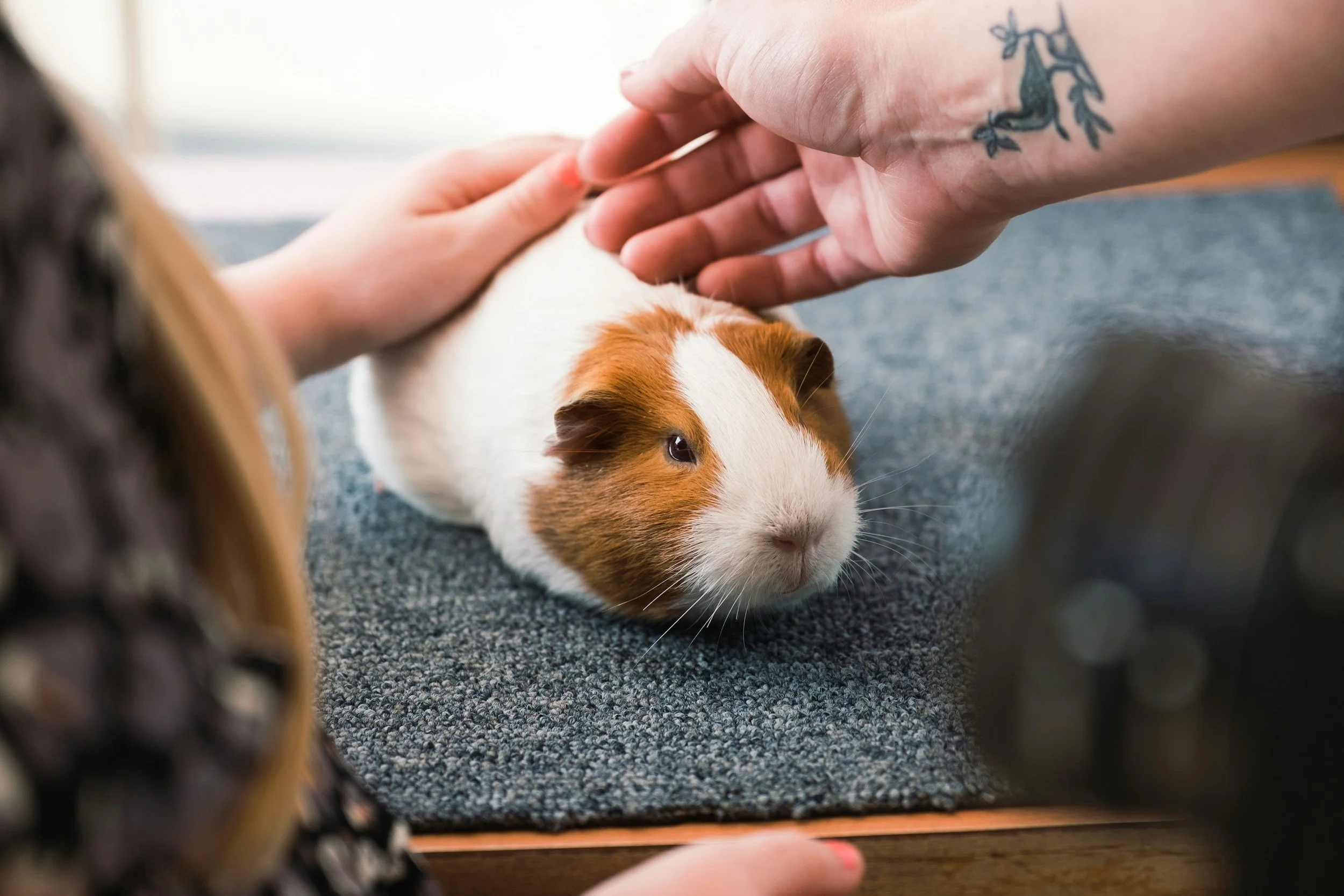
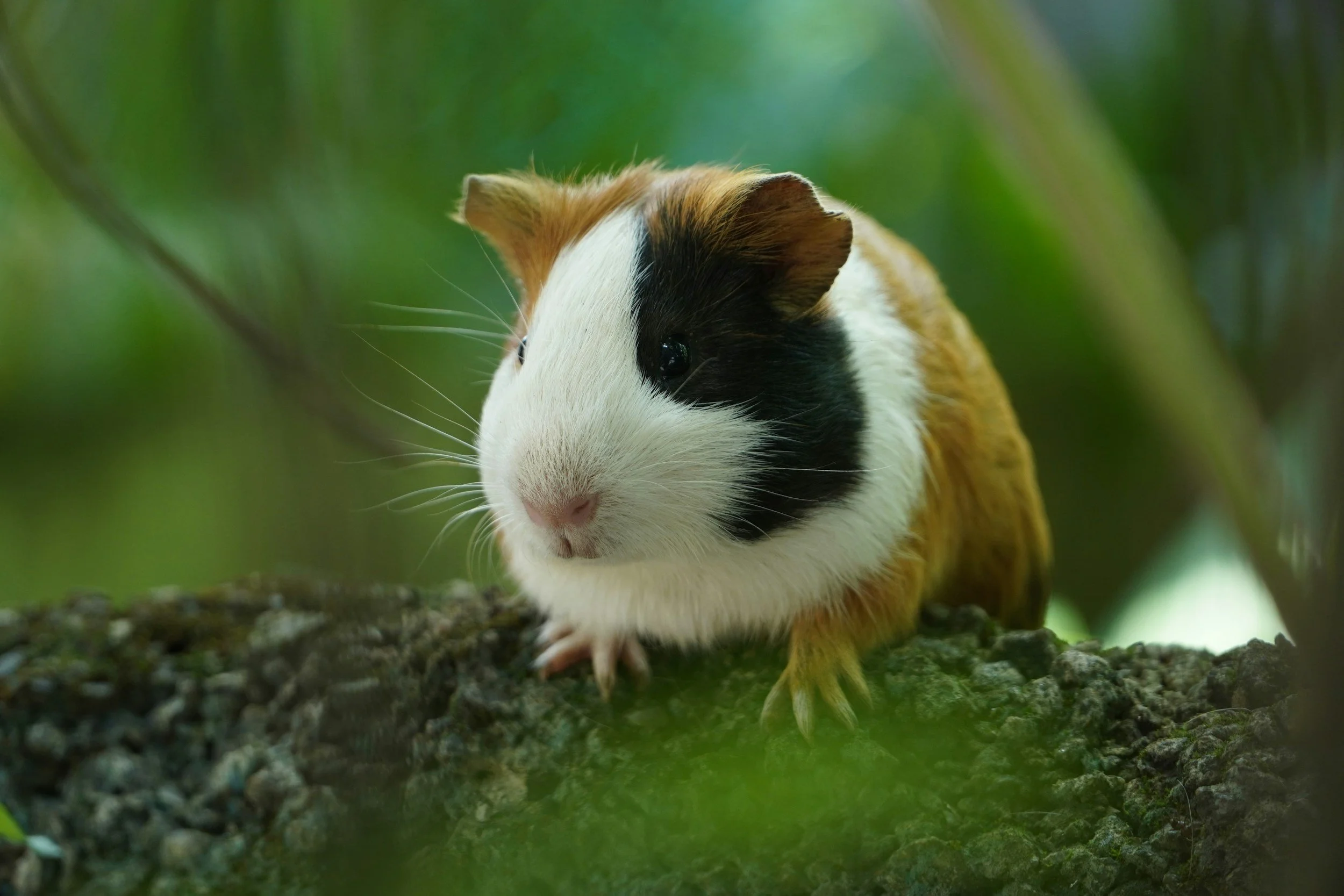
Guinea pigs are docile, easily cared for, and make good pets for children. On average, they live about 7 years. They have specific dietary needs, including a requirement for Vitamin C, and are prone to certain health issues that can be prevented with good nutrition and proper housing.
Diet
Commercial guinea pig chow is best. Avoid using other rodent or rabbit chows, as these are not properly balanced for guinea pigs. Guinea pigs require Vitamin C in their diet, which can be provided in fresh water daily, or by offering cabbage or oranges. Small amounts of hay can also be provided. Water should be clean and fresh, changed daily, and provided in a sipper tube bottle.
Housing
Housing should be durable and easily cleaned. Avoid wood crates or objects as these will likely be chewed and damaged. Shredded paper provides good bedding and burrowing material and should be changed frequently. The cage should be kept out of direct sunlight and free from cold drafts, placed in a quiet area away from noise, heavy foot traffic, and larger animals. Maintain an ambient temperature of 65 to 75 degrees Fahrenheit and avoid high humidity. Never leave your guinea pig alone with dogs or cats.
Handling
You may scoop up and cup guinea pigs with the palms of your hands, but support their bodies close to yours. Do not scare them. Let them know of your presence before grabbing them.
Common Health Concerns
Monitor activity, appetite and water intake, hair coat quality, and stools, as changes in these can signify disease. Pododermatitis (inflammation of the feet) is common on wire cage flooring and can cause lameness and loss of appetite. Scurvy is caused by Vitamin C deficiency and results in poor hair coat and painful joints. Early diagnosis is crucial to reverse the condition. Barbering occurs when guinea pigs chew out patches of hair. Hair loss can also occur with parasitic lice or mites. Pneumonia can be fatal and is often caused by dirty, stressful environments. Malocclusion of the teeth can lead to drooling and loss of appetite. Teeth should be examined and trimmed periodically as needed.
Hamsters
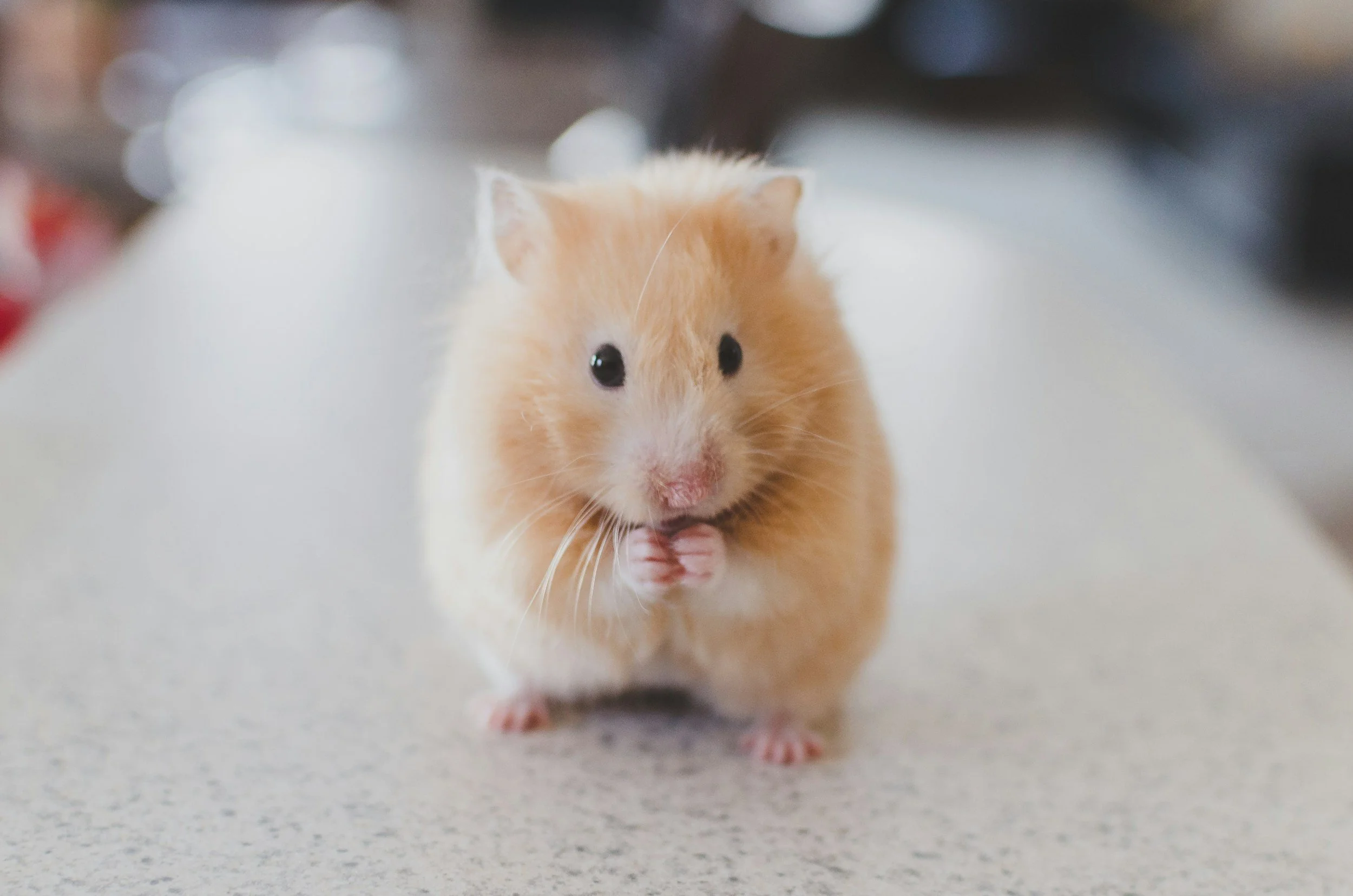
Hamsters are rodents with an average life span of 2 to 3 years. They can breed at around 10 weeks of age and wean their young at 3 weeks. Pregnancy lasts about 16 days. With good diet and proper housing, hamsters make easy pets to care for.
Diet
A good quality rodent diet, such as rat chow, is suitable. Seed diets should be used sparingly as these can lead to obesity and nutritional deficiencies. Grains, dried fruits, and vegetables can be provided as treats but only sparingly. Hamsters will store food, so check their sleeping areas often to prevent excessive food and waste in their cages. Water should be provided in a sipper tube bottle and changed daily.
Housing
Housing should be easy to clean and well ventilated. The cage should be kept out of direct sunlight and cold drafts. Burrowing material such as shredded paper should be changed daily. Toys and other objects can be provided for activity and to prevent boredom. An ambient temperature of 65 to 75 degrees Fahrenheit is preferred. Hamsters will tolerate group housing, but females can be very aggressive toward males and injuries can be expected. Never leave your hamster alone with dogs or cats as play can cause injury and stress.
Handling
Hamsters may generally be picked up by scooping with the palm of your hand and then carefully supporting them. Never scare them. Let them know of your presence. You may scruff a hamster that tends to bite, but be careful not to scruff too tightly.
Common Health Concerns
Monitor activity, appetite and water intake, and stools, as any changes in these can signify disease. “Wet tail” is a disease caused by a bacterium in the gut and can be fatal in as little as one week. Antibiotics and fluids are required, although some hamsters will die despite treatment. Dirt, overcrowding, and stressful environments are predisposing factors. Hamsters can acquire parasites of their skin, which may cause hair loss and scabby, dry skin. Separate any hamsters that are showing signs of illness. Avoid giving antibiotics without veterinary care, as they can cause fatal endotoxemia (toxic gastroenteritis). Remember that rodents age rapidly and old age changes occur quickly.
Rats & Mice
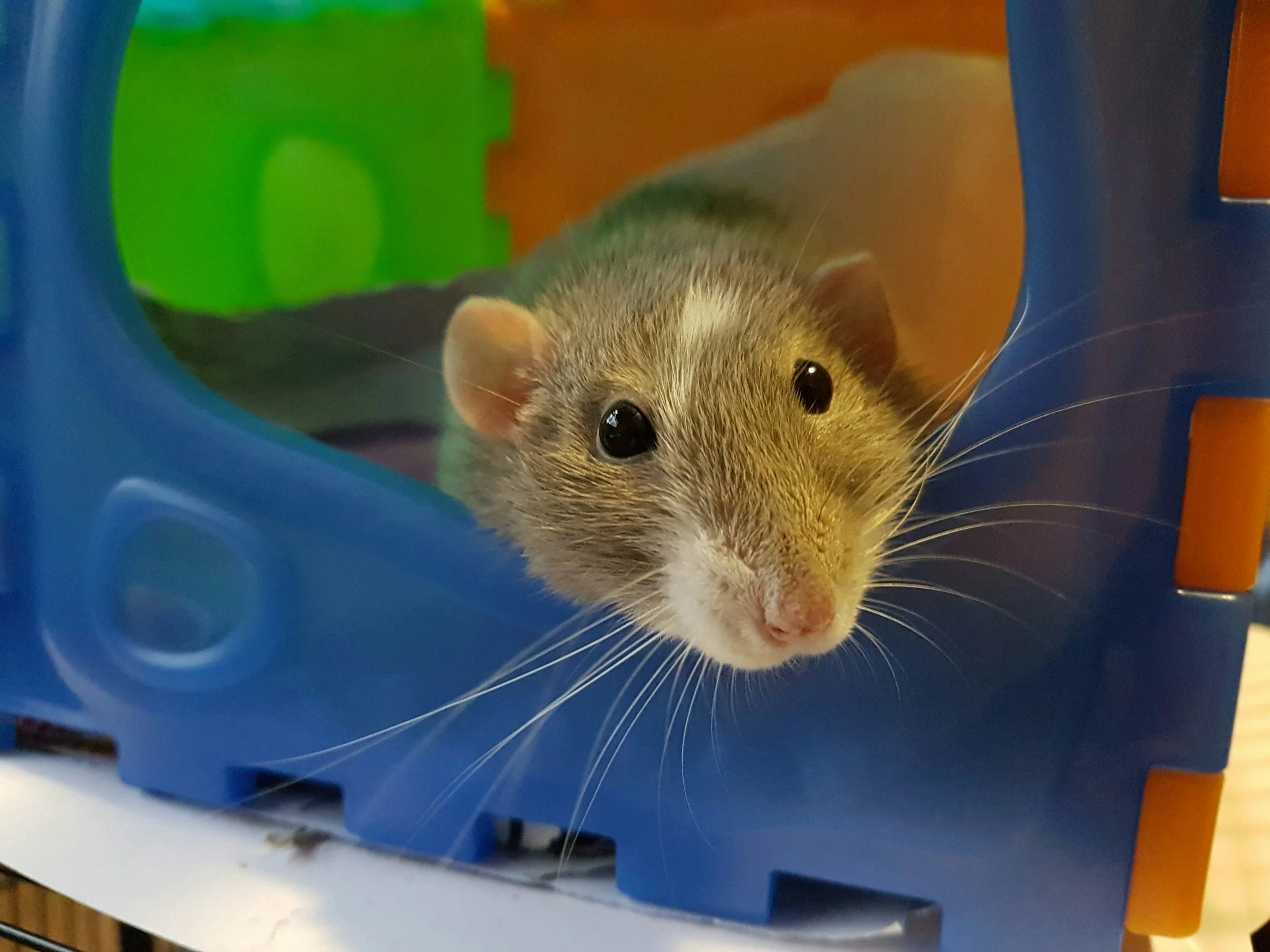
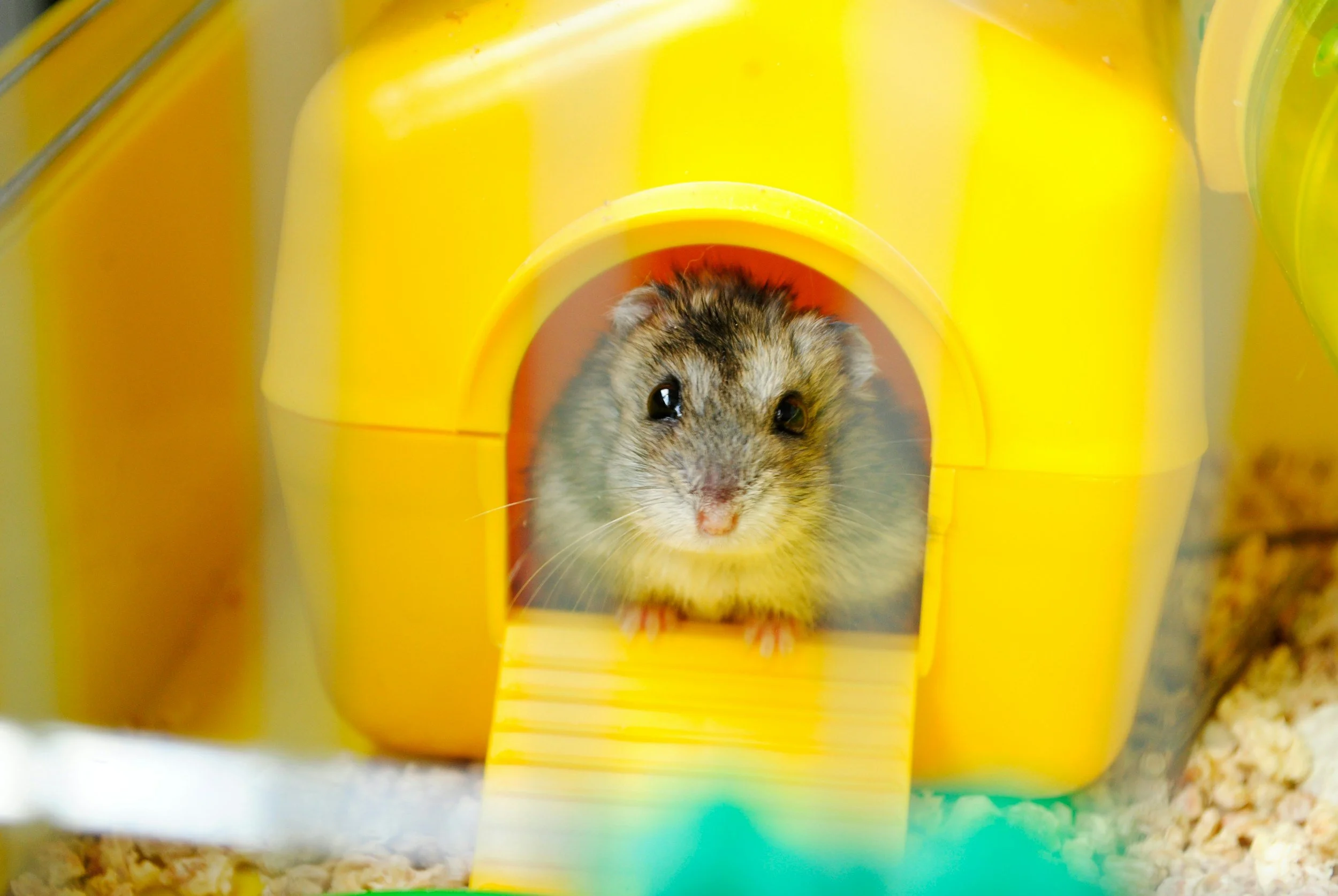
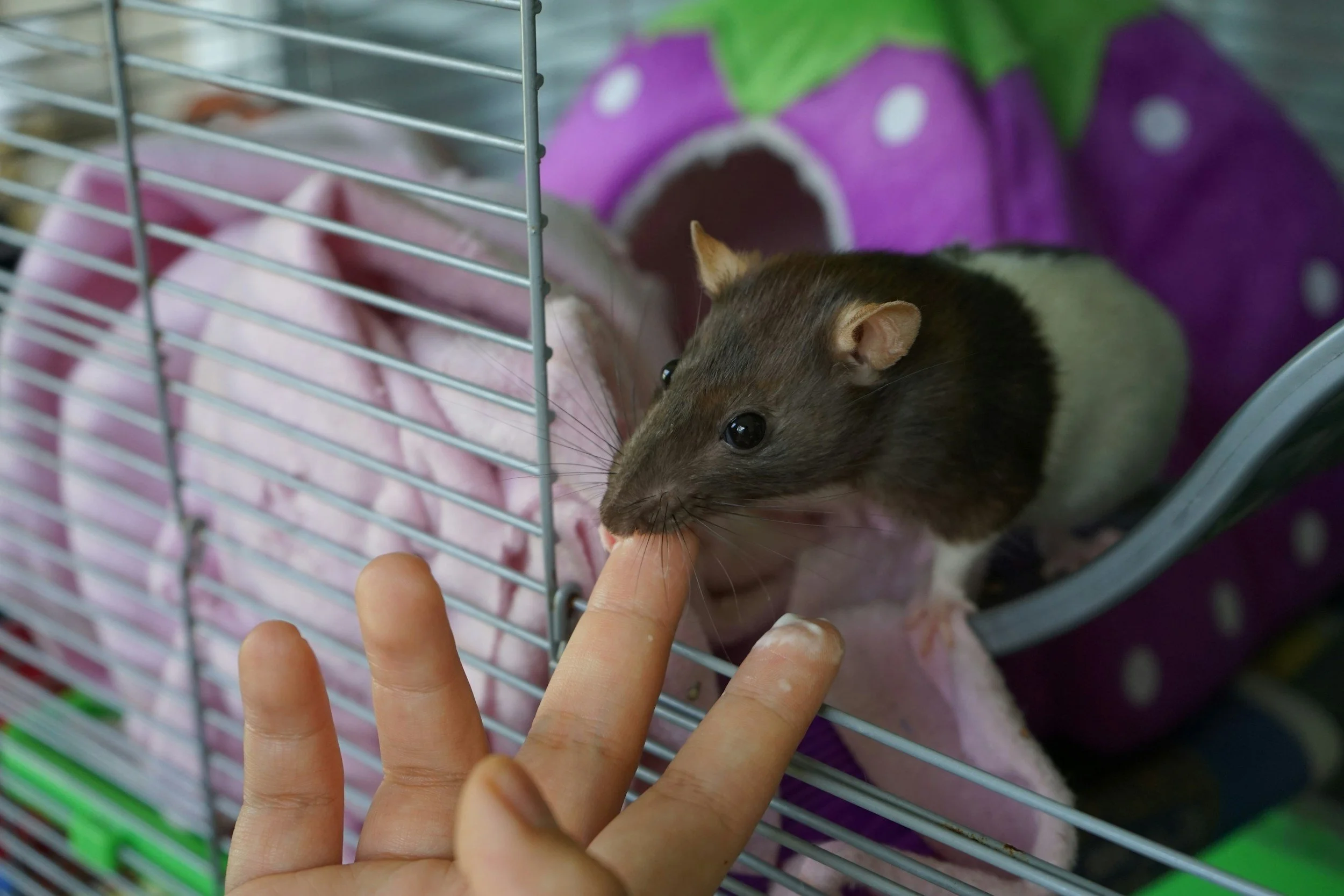
Rats and mice are rodents and, while relatively short-lived, they make excellent pets as they can easily be handled, are rarely aggressive, and are fun to watch. The average life span for a rat is about 2 to 3 years and for a mouse about 1 to 2 years. Young, called pups, are weaned at 3 weeks of age. Male and female pups should be separated early because they are able to mate shortly after weaning.
Diet
Commercial pellet formulas are readily available and are the main component of their diet. Seed diets are convenient but can lead to obesity and nutritional deficiencies. Also, some rodents will pick out only the seeds they like and refuse the rest, which can lead to imbalances. Water should be provided in a sipper tube bottle and changed and filled daily.
Housing
A wide variety of rodent cages are available, some complete with toys. Toys are provided for activity and to prevent boredom. The cage should be free of sharp edges or wooden objects and easy to clean. Wire mesh flooring should have something covering it, such as cardboard. Shredded paper provides good bedding and burrowing material and should be changed frequently. The cage should be kept out of direct sunlight and free from cold drafts. Rodents prefer an ambient temperature of approximately 65 to 75 degrees Fahrenheit. They will sleep during the day but a 12-hour light cycle is optimal. Rodents are social creatures and will enjoy the company of other mice or rats, but remember that they can mate and produce large litters. Never leave your mouse or rat alone with a dog or cat as play can lead to injury and stress.
Handling
Rats and mice are usually easy to pick up by either scooping in the palm of your hand (mice and smaller rats) or by picking up at the base of the tail (larger rats). Avoid grabbing the end of the tail as the skin can tear away. Some mice and rats will get used to being handled and can be quite comfortable with their owner.
Common Health Concerns
Monitor activity, hair coat quality, appetite and water intake, and stool production. Changes in these can signify disease. Enteritis (inflammation of the gastrointestinal tract) can produce soft stools or diarrhea and dehydration. Antibiotic treatments can often cause fatal enteritis. Rodents can carry pinworms, which can be transmitted to people, especially children. Practice good sanitation when handling any animal in your house. Pneumonia is a disease caused by a virus, bacteria, fungus, or environmental agent and can be fatal. You may notice nose and eye discharge and a loss in appetite and hair coat quality. A condition called Tyzzer's disease results from a bacterium and thrives in dirty, stressful environments. Affected animals become rapidly sick and may die, even with intervention. Remember that rodents age rapidly and old age changes can occur almost suddenly.
Rabbits
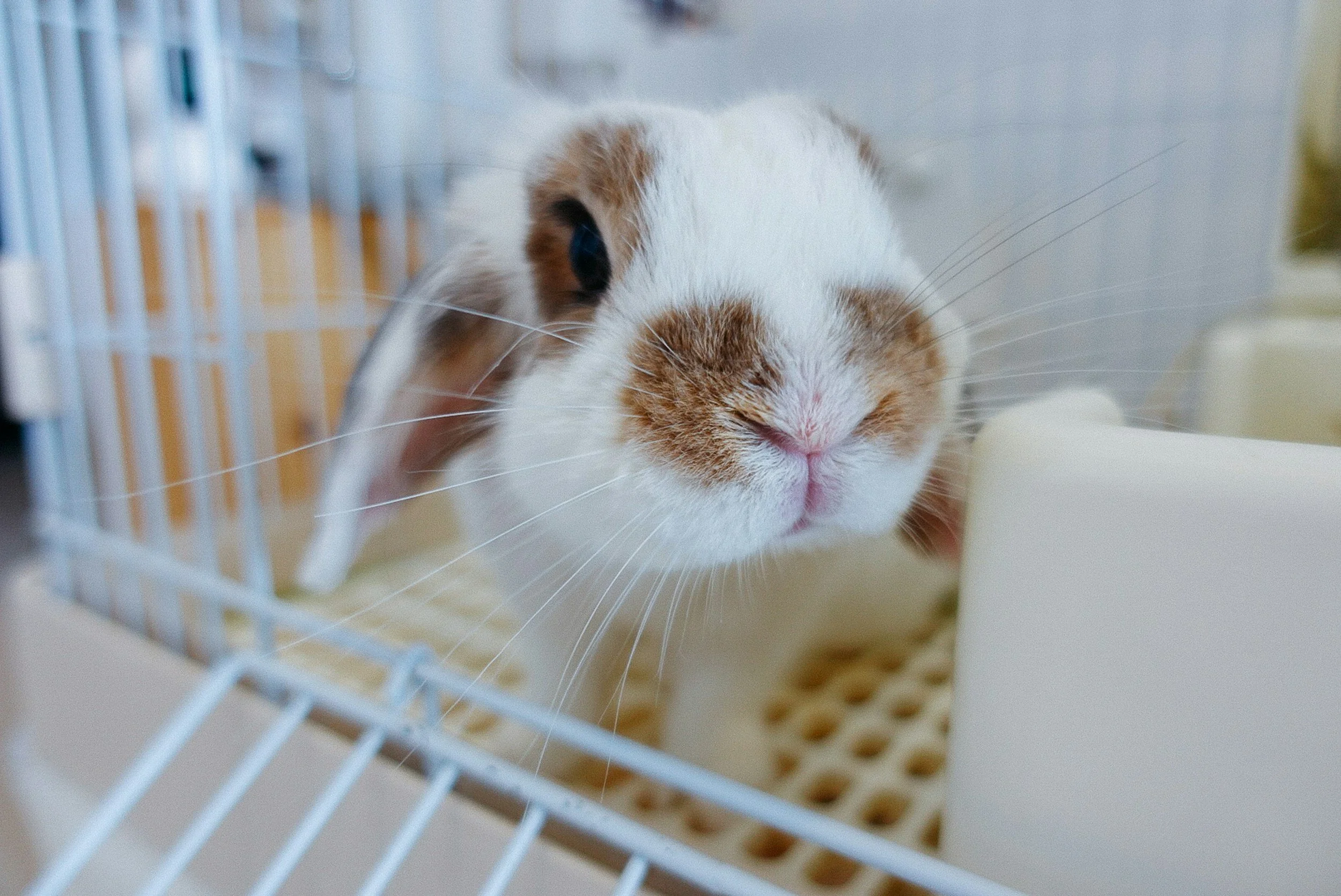
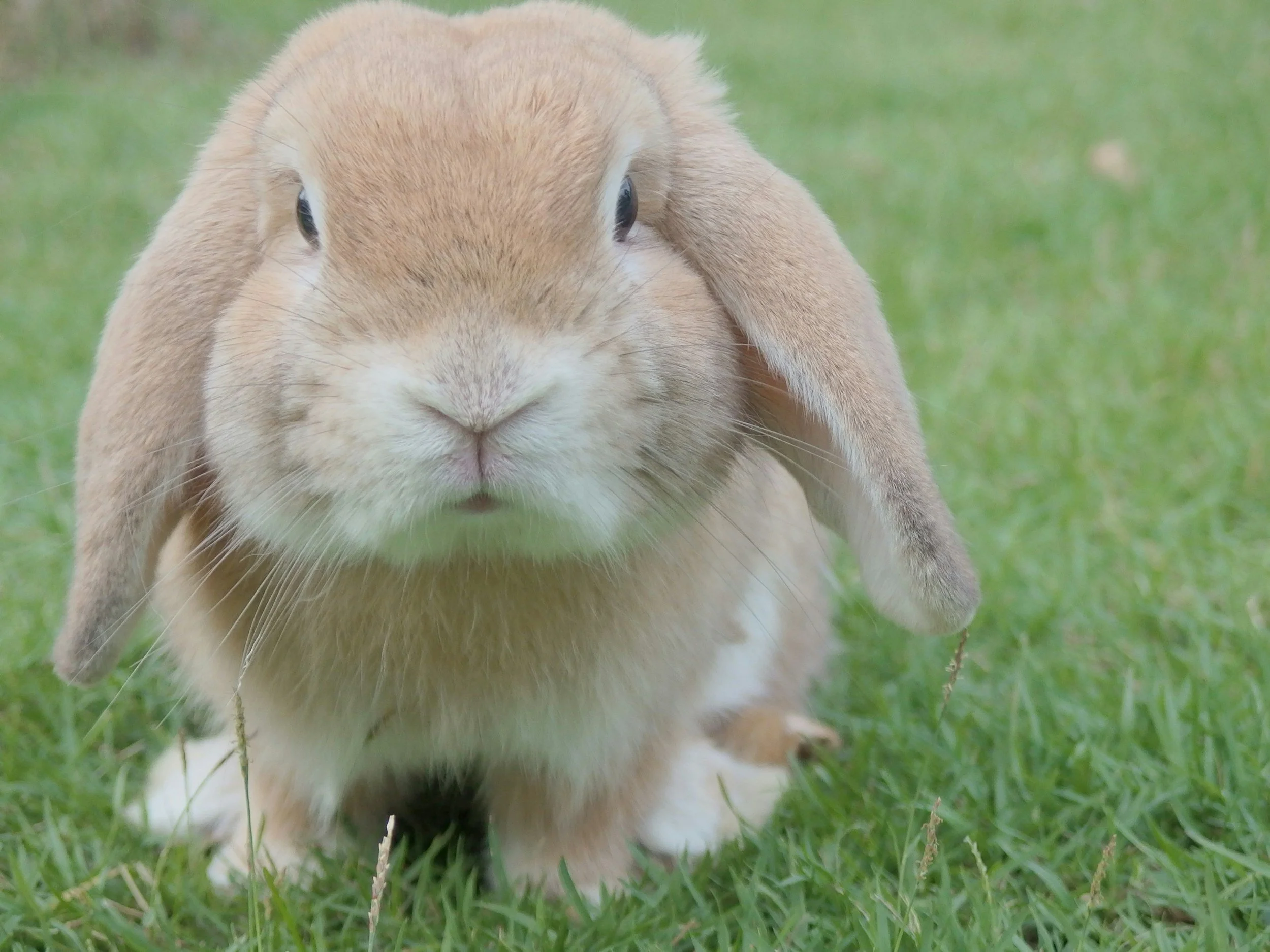
Rabbits have become popular as pets over the past several decades. Pet rabbits are sociable animals that can live for more than 10 years if properly cared for. Rabbits have a reputation for being prolific breeders, and it is true in the sense that the female is capable of having multiple large litters during the year.
Diet
Providing your rabbit with optimum nutrition will go a long way toward ensuring a long and healthy life. Malnutritional disorder is the most common problem seen in rabbits and can lead to serious health issues. Fresh grass hay, such as Timothy, should form the core of their diet. Greens may be offered cleaned and fresh (such as broccoli, cabbage, and lettuce). Legume hays, such as alfalfa, have a high fat content and should be avoided except for young rabbits or does that are lactating or pregnant. Avoid starch food (including grains) as they can lead to obesity or gastroenteritis. Pelleted rabbit chow is convenient but is not ideal as this is a concentrated source of calories and can predispose to obesity. It is natural for a rabbit to eat the first pass stools or cecotrophs. These fecal balls are essentially fibrous food that will be ingested and utilized. Second pass stools (true feces) are usually not ingested. Clean fresh water is to be available at all times. Rabbits will do well with sipper tube bottles.
Housing
A solid, easy to clean cage should be big enough to provide an area to eat and drink, a private enclosure to hide and sleep, and enough open space for exercise. House rabbits may be given access to roam the house under supervision. Avoid allowing your rabbit to chew on electrical cords or poisonous houseplants. Shredded papers make great cage bedding and burrowing material and should be replaced daily. Rabbits will use a litter box if trained to one, and this should be kept away from the food and water area. Provide safe chewable toys to keep them occupied. Paper roll tubes make inexpensive toys. When caged outdoors, it is important to keep the hutch out of weather extremes and safe from predators. Rabbits are social and usually do well with other rabbits and even other animals. Never leave a rabbit alone with a dog or cat and supervise them closely. Housing male and female rabbits together is recommended only if they are spayed and neutered.
Handling
As with any animal, gentle but firm handling is required to minimize risk of injury both to you and your pet. Never surprise your bunny. Let them know of your presence before attempting to pick them up. Never pick a rabbit up by the ears or legs. If you need to restrain your rabbit for any reason, it is helpful to wrap them in a towel to prevent them from suddenly kicking. If a rabbit is allowed to kick out with their hind legs, there is a substantial risk of spinal fracture.
Spaying & Neutering
Neutering male rabbits can help prevent aggressive behaviors and spraying activity. Spaying female rabbits prevents female aggression and also the occurrence of a malignant cancer of the reproductive system that is very common in unspayed female rabbits.
Common Health Concerns
Monitor appetite, water intake, activity, and stool production closely, as changes may indicate illness. The incisor teeth of rabbits continually grow and normally will wear when eating and chewing. Some rabbits may suffer from malocclusion, where the teeth become misaligned and do not wear properly. Rabbits with this condition may drool or have difficulty eating and will need periodic trimming by a veterinarian. Obesity is common in rabbits and can predispose them to other health concerns, such as gastroenteritis and osteoarthritis. Pelleted chow and high starch foods, together with a sedentary lifestyle, are risk factors. Hairballs are common because rabbits groom, but a rabbit with gastrointestinal disease can form large, dehydrated hairballs in their stomachs which can be lethal. Providing fresh, high quality hay should help prevent this. Soft stools or diarrhea, loss of appetite and body weight may all be signs of serious disease. Avoid using antibiotics unless there is a rational medical need for them, as antibiotics can cause fatal toxic gastroenteritis. Hair loss may be due to excessive barbering, as when a rabbit is bored or frustrated, or from external parasites such as mites or lice. Maggots are a serious problem in rabbits housed in outside hutches, especially in warmer months. Maggots are fly larvae that have hatched from eggs laid within the rabbit's fur or into wounds. This is a medical emergency and requires immediate veterinary intervention.
Ferrets
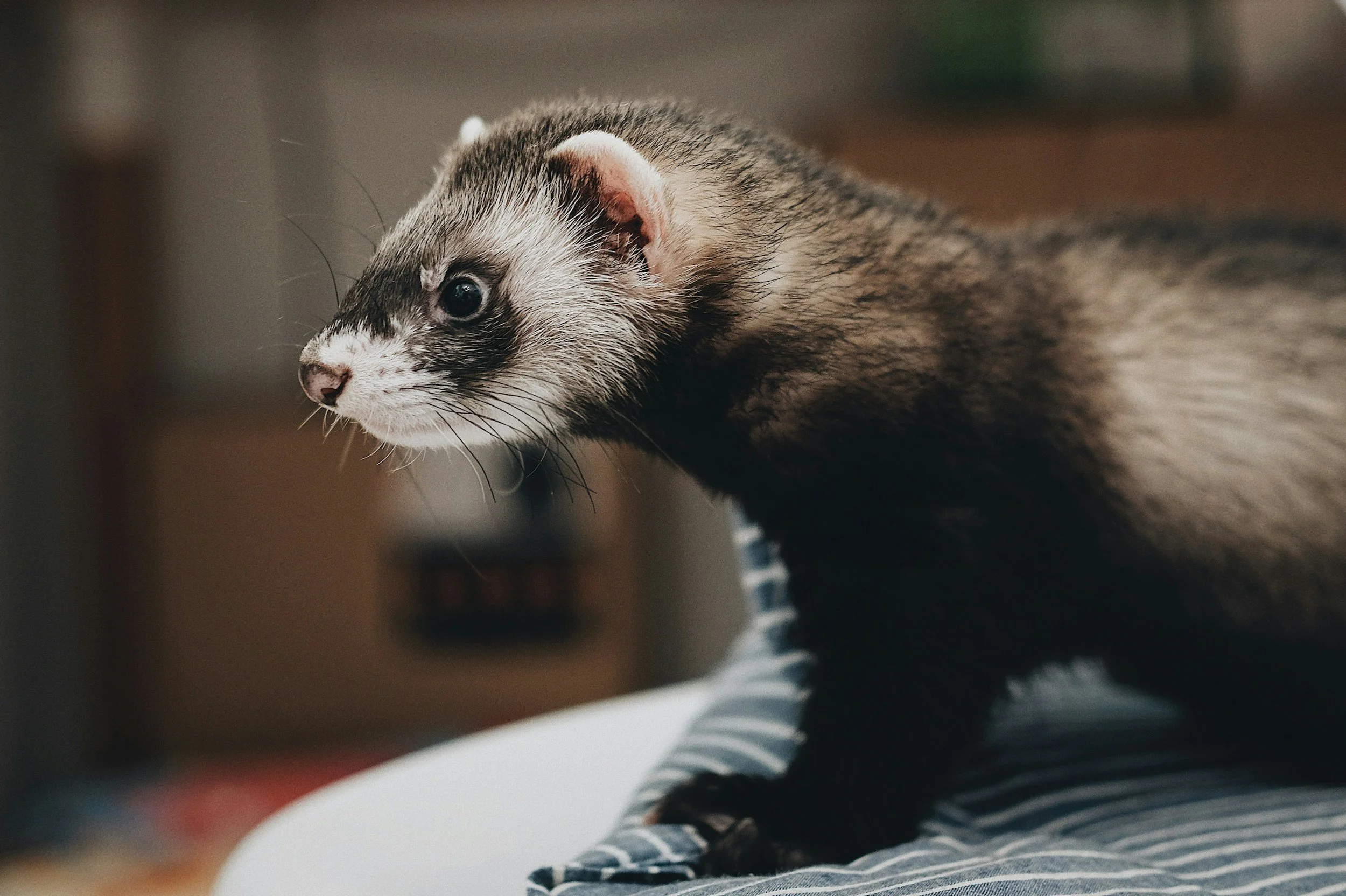
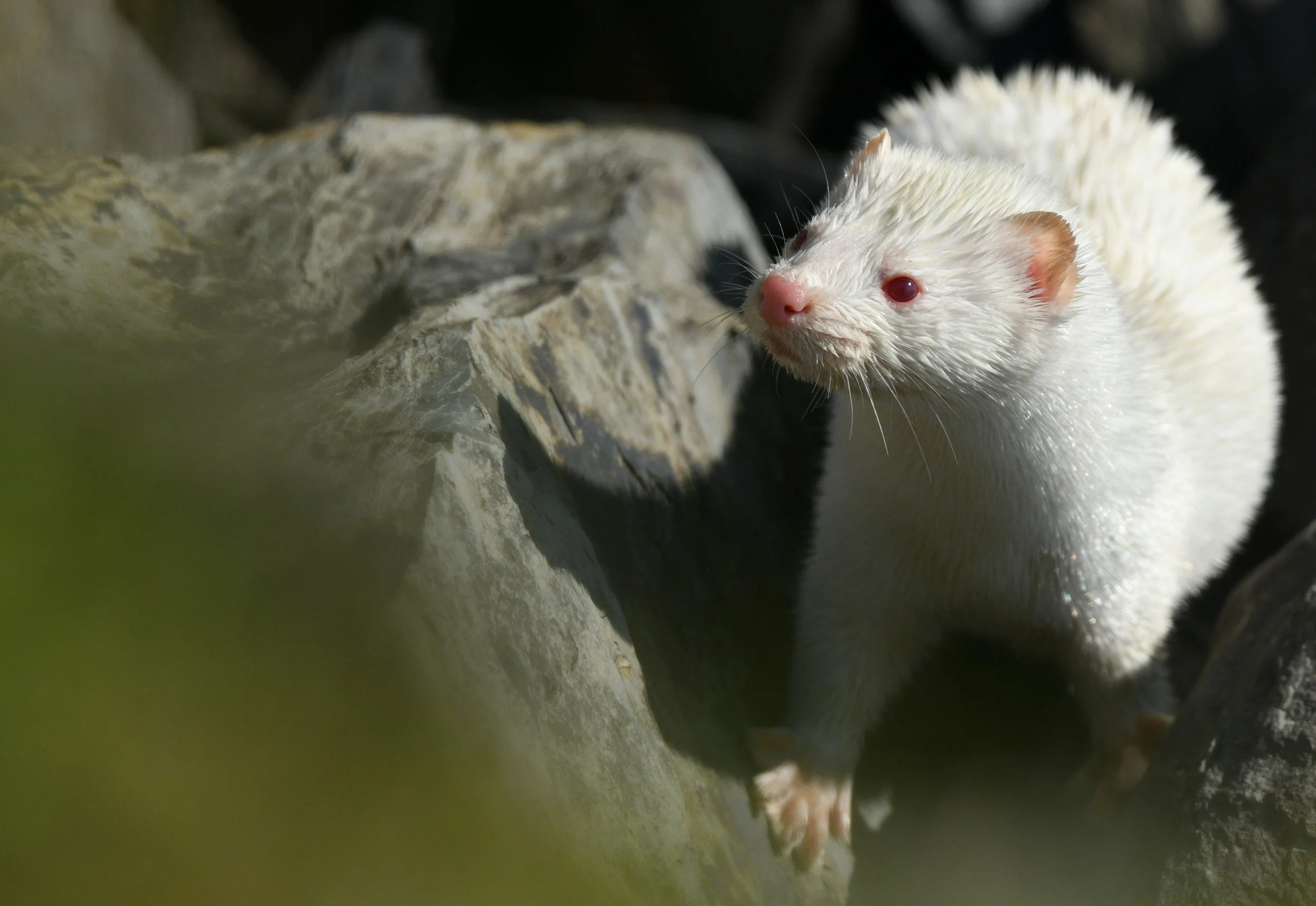
Mustela putorius furo is the scientific name for the ferret and literally means "little smelly thief." This makes sense in that they are curious little creatures that have a natural musky odor. Domestic ferrets are generally easy to handle and make playful, entertaining pets. The average life span is 5 to 7 years.
Vaccinations
Rabies vaccination is legally required for ferrets in New York State. Canine distemper virus (CDV) is a contagious disease that can be transmitted to ferrets directly from infected animals including dogs, foxes, raccoons, and other ferrets. Your veterinarian will discuss whether this vaccine is appropriate for your ferret. Ferrets can have an allergic reaction to vaccines that can be quite severe and even life threatening. There is no rhyme or reason why some ferrets react and others do not, or why some ferrets will react one year and not another. For this reason, we recommend that your ferret be monitored closely for at least 30 minutes following any vaccination.
Diet
Ferrets have a unique intestinal tract, in that it takes a mere 3 to 4 hours or so for food to go from one end to the other, and thus the food eaten must be of very high quality because there is little time to extract nutrients. Ferrets are obligate carnivores (meat-eaters). Premium ferret diets are recommended over dry cat or kitten food. Fresh water should be available at all times.
Handling
Domestic ferrets are generally easy to handle. Most of the time, you need only pick up your ferret and hold them in your arms. During a veterinary visit, it may be useful to scruff your ferret in order to keep them still to complete a physical examination. Most ferrets become very relaxed with this restraint and may even yawn or fall asleep.
Common Health Concerns
We recommend that your ferret be examined by a veterinarian more than once a year as they age (ideally every 6 months). Human influenza: Ferrets are highly susceptible to the human influenza virus or the flu. The symptoms are very similar to those in people, including sneezing, coughing, lethargy, and fever. Just like people, basic supportive care is usually all that is needed unless secondary complications develop. Fleas: Ferrets are very susceptible to fleas, and we can discuss appropriate flea preventives. Adrenal disease: This is a very common disease of ferrets over 2 years of age. When the adrenal glands malfunction, they produce excessive amounts of androgens or sex hormones. This results in a myriad of symptoms including hair loss, increased aggression, difficulty urinating, and vulvar swelling in females.
New Pet?
We strongly recommend purchasing a species-specific reference book for detailed care guidance on your pocket pet. While we are here to help with medical concerns, a good reference book will provide detailed information on daily care, housing, diet, and enrichment that goes beyond what can be covered during a veterinary visit.
When to Contact Us
If you notice any of the following signs in your pocket pet, contact us to schedule an appointment:
Loss of appetite or decreased water intake
Weight loss or difficulty moving
Hair loss, scabby skin, or excessive scratching
Respiratory symptoms (sneezing, nasal discharge, labored breathing)
Diarrhea or changes in stool consistency
Lethargy or behavioral changes
Dental problems (drooling, difficulty eating)
Any injury or trauma
Because pocket pets age rapidly and have shorter lifespans than dogs and cats, early intervention can make a significant difference in outcomes. Our team sees pocket pets at all of our locations. If you have a concern about your guinea pig, hamster, rat, mouse, rabbit, or ferret, we are here to help.