Cat Nutrition Guide
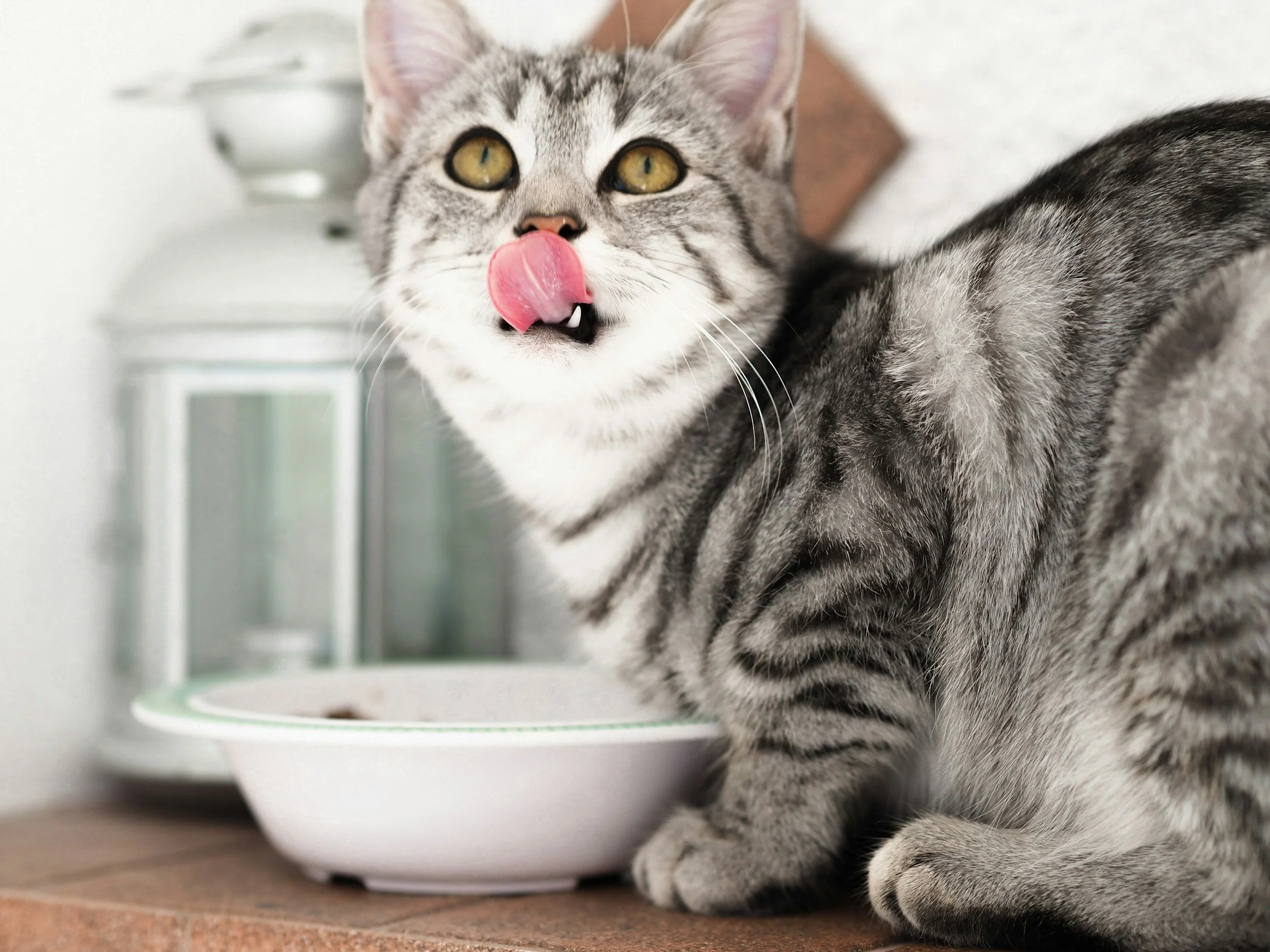
Proper nutrition allows the body to perform at optimum levels and promotes longer life. In human nutritional circles there is a saying "junk in, junk out." This simple idea holds true for your dog or cat. You can't expect your pet to be healthy if you feed them a poor quality diet. What you feed your cat and how much you feed them will change throughout their life as their nutritional needs evolve.
Nutrition for the Kitten
Access to the first milk or colostrum is critical. It contains valuable nutrients and immune system factors. Adequate nursing will ensure good growth during the first 4 to 6 weeks until weaning.
Kittens should then begin to eat solid food, and this should be of good quality. Many cats do well with free-choice feeding, but it is also important to note that bored housecats will eat more and gain weight if food is always available.
Clean fresh water should be available at all times and changed as often as needed. Some cats prefer running water from a tap.
Treats and snacks should not be overly fed as they can contain excessive calories. The number one malnutrition disorder in cats is obesity and it can be prevented when your cat is still a kitten.
Nutrition for the Adult Cat
Lifestyle dictates what and how much you should feed: active, outdoor cats may require more calories, although they often supplement this through hunting. Know how much your cat is eating daily to prevent overfeeding or wasting of food.
Providing a high quality, balanced diet is essential. Treats and snacks and table scraps add calories. Prevention of obesity is very important in the adult cat.
Nutrition for the Senior Cat
As the cat ages so does their stomach and the diet should be easy to digest.
Providing a high quality, balanced senior diet is optimal.
Monitor appetite closely and provide ready access to clean water.
Remember that the metabolism slows down with age and obesity can quickly develop.
A Word on Table Scraps and Treats
A high quality, balanced diet is all your pet needs to maintain their health. Table scraps, treats, and snacks add unnecessary calories and may contain substances harmful to your cat. It is best to limit these extras and stick with a consistent, quality cat food appropriate for your pet's life stage.
Concerned About Your Cat’s Weight?
Obesity is the most common nutritional disorder in cats and can lead to serious health problems including diabetes, liver disease, and joint problems. If you are concerned about your cat's weight or body condition, we can help.
Questions About Your Cat’s Diet?
If you have questions about what to feed your cat, how much to feed, or whether your cat's current diet is appropriate for their age and activity level, our team can provide guidance during a wellness exam.