Understanding Cat Behavior
Animals normally respond and interact with people, other animals, and their environment based on their behavioral characteristics. Behaviors can be desirable or undesirable depending on your point of view and the situation. Understanding how behaviors develop can help you shape your cat's behavior in positive ways and address problems before they become serious.
How Does Behavior Occur?
Some behaviors animals are born with and are considered innate:
Seeking out food and water
Seeking warmth and huddling
Some behaviors are learned:
From the mother, such as when she teaches the kitten to stay within her sight
From littermates, such as when kittens "draw the line" at rough play
From pet owners who train kittens to urinate in litter pans
Staying away from painful situations
Some behaviors occur due to disease such as:
Aggression due to painful arthritis
Wandering or staring due to changes in cognition (awareness)
Urinating inappropriately due to seizures or infection
How Should Cats Behave?
To this day there is much about cat behavior that is either not understood or misunderstood. While cats are generally viewed as socially independent, most cats are surprisingly dependent on social contact with people and can become quite lonely without it.
When Do Problems Occur?
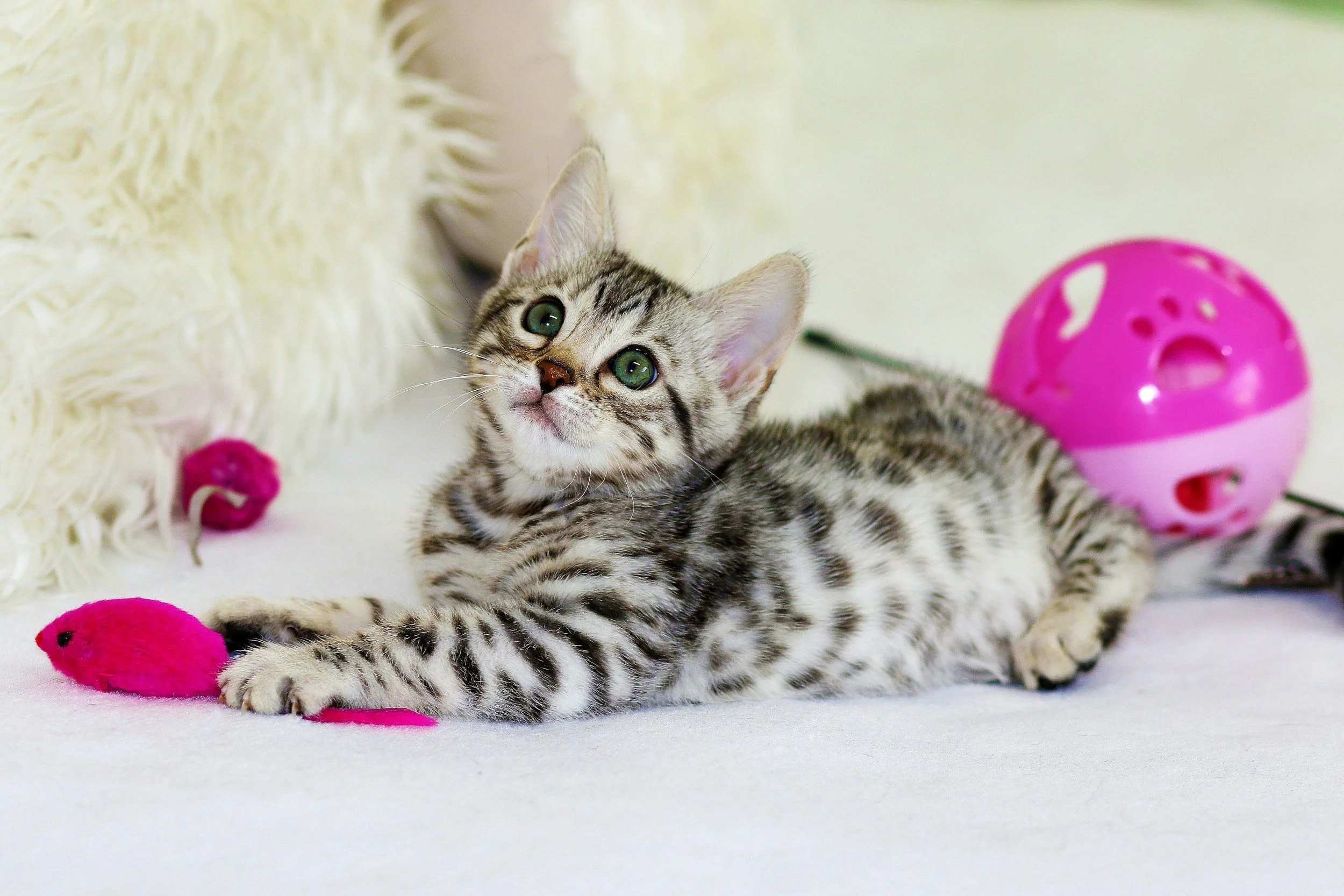
Kittens who are orphaned or who have not interacted well with littermates are at risk for developing bad behaviors. Kittens who are not used to handling become fearful of people and especially of curious children who may poke and prod.
You should begin to learn just who your cat is and how much attention they need. Also, please recognize that when bringing a new kitten home, you can expect that an already established cat will have their territory threatened and may act out or become aggressive.
What Resources Are Available?
If behavioral problems are developing, feel free to discuss options with our staff who will make recommendations. These may include environmental enrichment strategies for indoor cats, consulting with a professional cat behaviorist, or working with a veterinary behaviorist for more complex issues.
It is important to remember that some behavioral changes may indicate an underlying medical problem. Cats are particularly good at hiding illness, so changes in behavior, litter box habits, eating patterns, or grooming are often one of the earliest signs that something is wrong. If your cat shows sudden changes in behavior, schedule a veterinary visit to rule out medical causes before pursuing behavioral interventions.
Need Help with Your Cat's Behavior?
If you are concerned about your cat's behavior or have noticed sudden changes, our team can help determine whether there may be a medical cause. We can also provide recommendations for behavioral resources.
New Cat or Kitten?
For guidance on raising a new kitten, including litter training and handling, visit our New Kitten Guide.