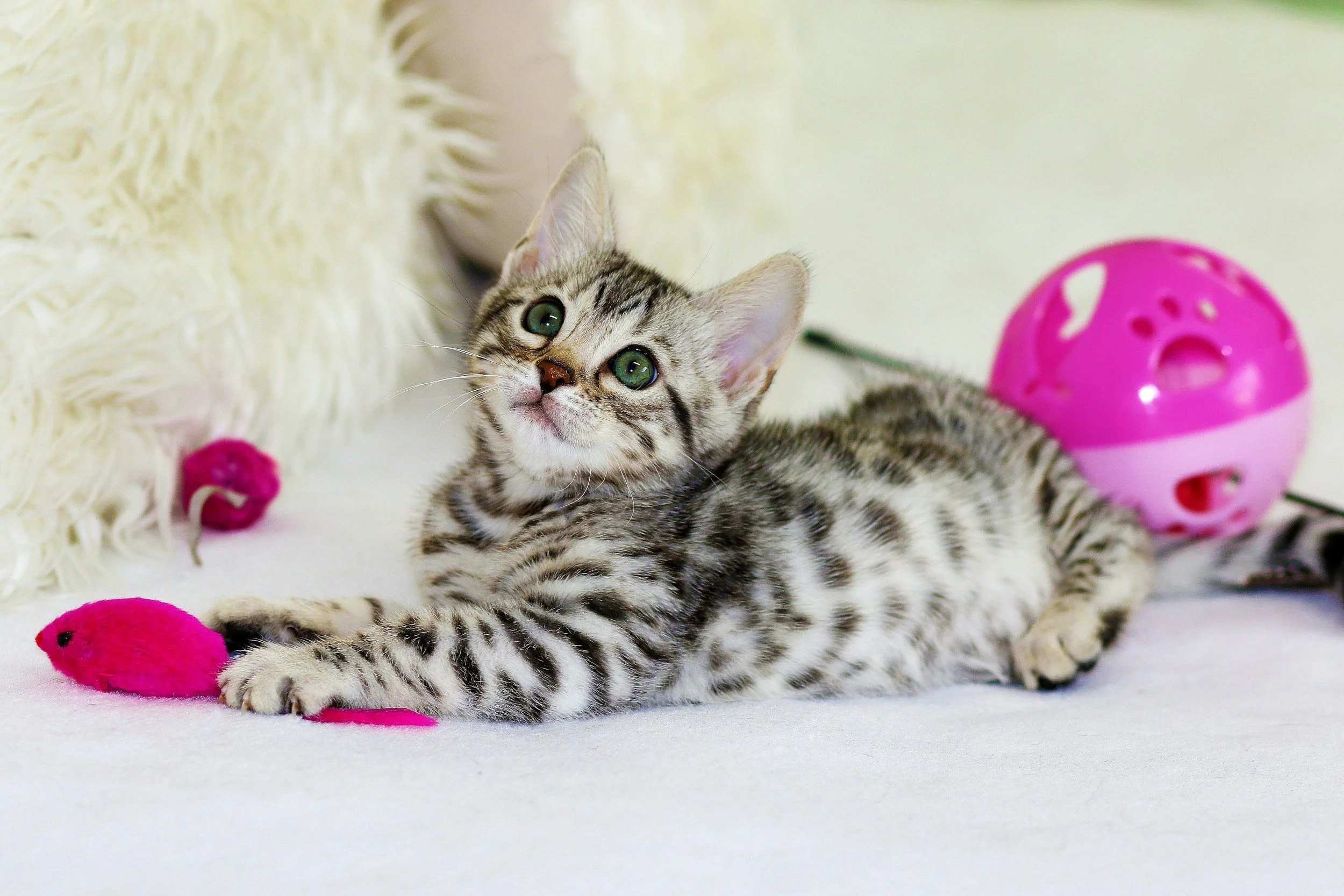
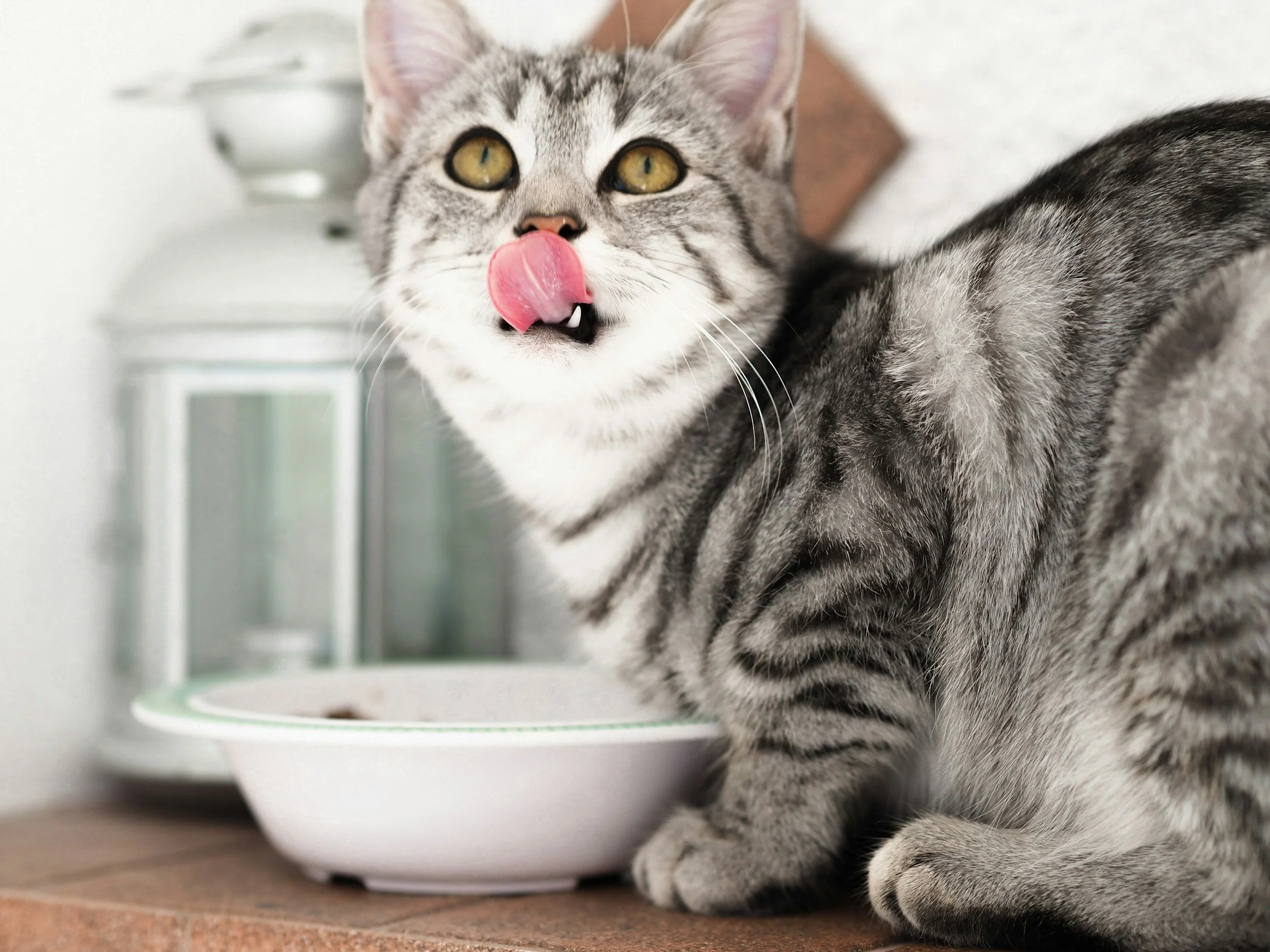
New Kitten Guide
You have selected a wonderful pet. Cats are playful, easily house trained, naturally clean, require little grooming or training, and usually adapt beautifully to indoor living. Cats are great companions and provide years of love and enjoyment.
Upon entering your home, your kitten is going to require some extra special attention in the first few days. Ongoing care and attention will help your kitten grow into a happy, healthy cat.
We realize that new kitten owners have many concerns. So we have put together this Kitten Care Guide to get you off to a good start. Included are basic tips on litter training, health care, feeding, and grooming. For further information on anything concerning your kitten, please feel free to contact us.
Regular Checkups
You should give your kitten regular checkups to make sure all is well. Get your kitten used to being handled. They should accept stroking and grooming, and a thorough once-over as part of their daily routine. Once every few days, give your kitten a gentle examination. This will get your kitten accustomed to being handled and will also help you spot any potential problems early.
Eyes
Check your kitten's eyes for:
Redness or inflammation
A half closed lid
Excessive watering
A yellow-green discharge or discoloration
A kitten with an infected eye will rub it a lot. Should you notice any of the above conditions, please contact your local veterinarian immediately. We do not recommend treating the eye unless it has been examined by a veterinarian.
Ears
Check your kitten's ears for discharge, excessive wax build-up (dark brown or black wax), and unpleasant odor.
Your kitten will scratch at its ears or shake its head frequently if its ears are dirty, infected, or have ear mites.
Healthy ears are pale pink, clean looking, and odor free. A gentle cleaning periodically will help ears remain healthy. Moisten a cotton ball with either water or a veterinary ear cleaning solution. Wipe the visible areas of the inner ear gently, using a fresh cotton ball for each ear. Do not probe into the ear canal.
Teeth & Gums
At 4 to 6 months your kitten will lose its baby teeth and adult ones will come in. Examine the mouth for any soreness, discoloration, broken or loose teeth, or inflamed or receding gums.
Pets, like people, need regular dental care. Dental disease is one of the most common health problems in pets, yet it can easily be prevented. Cats require frequent brushing and regular dental check-ups and cleanings.
Nails
Kitten's nails can become very sharp. Therefore, to avoid any unwanted scratches or climbing, it is recommended that you clip your kitten's nails frequently.
Hold the paw firmly and clip a little at a time. Don't try to take the whole tip off at once. Be careful not to cut into the quick, the sensitive flesh underneath the nail. Should you accidentally cut too far and bleeding occurs, use baby powder or flour to help stop the bleeding.
Provide your kitten with a scratching post and every time they attempt to claw your furniture tell them "NO" and encourage them to use the post. Try toys and catnip spray to entice your kitten to use the scratching post instead of your furniture.
Body & Coat
Watch for any changes in your kitten's skin and hair coat: increased shedding, dandruff, raw areas, dry, itchy skin, rashes, lumps, or anything unusual.
A healthy coat is a sign of a healthy pet. Regularly running your hand over the kitten's body is also a good way to determine if there are any lumps, swollen joints, or painful areas. Should you notice anything out of the ordinary, please contact your local veterinarian.
Grooming should begin at an early age so that the kitten gets accustomed to the procedure. If your kitten gets dirty, wipe its fur with a wet cloth. NEVER use paint thinners or gasoline to remove paint or tar from your cat's coat. These are poisonous and will make your cat very sick.
Litter Training
Cats are by nature very clean animals. House training is generally very easily accomplished if you follow a few recommendations.
Setting Up for Success
For the first few days, confine your kitten to a small room or the bathroom (where you plan to keep the litter pan in the future). Its bed, food, and water dishes should also be placed in the room. This quiet, secure environment will help your new kitten adjust to its new home and make litter training much easier.
It is generally recommended that you select a litter that does not have any deodorant, particularly during house training. Place about 1 1/2 to 2 inches of litter in the pan. During the training period, do not change the brand of litter or the location of the litter pan.
Dump or scoop out the soiled litter, wash the pan with water, and replace the litter. The pan should be made of a material that is easily cleaned but never wash it with soap. If the pan smells of soap it may discourage your kitten from using it.
Place the pan in a quiet private location that is not in a blind alley, like a closet. It seems that cats like to toilet in a spot they can escape from in many directions. If you have a large multi-story house, it is recommended that you have a litter pan on each floor.
What Not to Do
If your kitten soils outside the litter pan, be sure not to punish them, even if you catch your kitten in the act. Cats that are punished only become fearful of the owner and besides, discipline will not work.
If a trained cat has an accident in the house, check to see if the pan has been cleaned properly and that the bowel movement and urine are normal.
Ready to Schedule Your Kitten’s First Visit?
If you have questions about your new kitten or are ready to schedule their first wellness exam and vaccinations, our team is here to help.